


Views: 0 Author: Site Editor Publish Time: 2026-05-13 Origin: Site


Gas filtration is critical in many industrial processes. In petrochemical plants, refineries, chemical units, power generation systems, and high-temperature production lines, gas streams often contain fine solid particles, catalyst dust, corrosion products, or other contaminants.
If these particles are not removed effectively, they may damage downstream equipment, reduce process efficiency, contaminate products, or increase maintenance frequency. For severe operating conditions, conventional polymer, fiberglass, or disposable filter media may not provide enough strength, temperature resistance, or service life.
Sintered metal filters provide a strong and reusable solution for industrial gas filtration. With a rigid porous metal structure, they can maintain stable filtration performance under high temperature, pressure fluctuation, and repeated cleaning conditions.
In many process systems, gas filtration is not only a simple dust removal step. It directly affects equipment protection, product quality, operating stability, and plant safety.
Fine particles in gas streams can cause several problems:
· Erosion of compressors, turbines, and valves
· Blockage of nozzles and instruments
· Catalyst loss or catalyst carryover
· Contamination of downstream process equipment
· Increased pressure drop in pipelines
· Unplanned shutdowns and maintenance work
· Higher environmental emission risks
For high-value industrial processes, a reliable gas filtration system helps reduce these risks and maintain stable production.
Traditional gas filter media such as polymer bags, fiberglass elements, and disposable cartridges can work well in many moderate applications. However, they may face limitations in severe industrial environments.
Polymer and organic filter media usually have limited temperature resistance. When the gas temperature is too high, the media may soften, shrink, deform, or lose mechanical strength.
Fiberglass media can handle higher temperatures than many polymers, but it may become brittle under certain thermal or chemical conditions.
Gas filtration systems may experience pressure pulses, reverse flow, or sudden differential pressure changes. Soft filter media can tear, collapse, or deform under these conditions.
Once the media is damaged, particles may pass through the filter and enter downstream equipment.
Industrial gas streams may contain sulfur compounds, chlorides, acidic gases, organic vapors, or other corrosive components. These components can attack conventional filter media and reduce service life.
Disposable filter elements must be replaced when they become blocked or damaged. This increases maintenance work, spare part consumption, and production downtime.
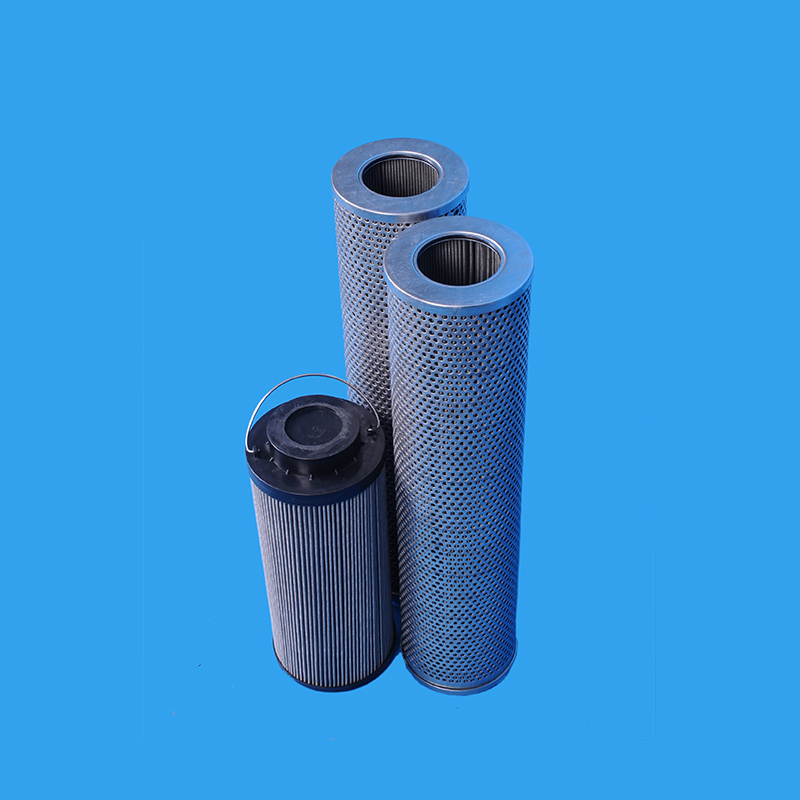
A sintered metal filter is made from porous metal media, such as sintered powder, sintered metal fiber felt, or sintered wire mesh. The metal particles, fibers, or mesh layers are bonded together through a high-temperature sintering process.
This creates a rigid pore structure that can resist pressure, vibration, and repeated cleaning.
In gas filtration, particles are captured by surface filtration, depth filtration, or a combination of both. As particles accumulate on the filter surface, a dust cake may form. In many applications, this dust cake can improve particle capture efficiency while the filter structure provides mechanical support.
When the pressure drop increases, the filter can be cleaned by reverse gas blowback, pulse cleaning, or other suitable methods. The accumulated dust cake is removed from the filter surface, allowing the filter to continue operation.
Sintered metal filters can be designed for elevated-temperature gas filtration. The allowable temperature depends on the selected alloy, filter structure, sealing design, and process atmosphere.
For severe high-temperature applications, Berae can design sintered metal filter elements using stainless steel, Hastelloy, Inconel, or other special alloys. In selected proven applications, service temperatures can reach up to 900°C.
This makes sintered metal filters suitable for hot gas filtration applications where conventional filter media may not survive.
The rigid metal structure helps the filter resist collapse, tearing, and deformation. This is especially important in systems with high differential pressure, pressure pulses, or reverse cleaning cycles.
Stable mechanical strength helps maintain filtration performance and reduces the risk of particle bypass.
Sintered metal filters can often be cleaned and reused many times. Common cleaning methods include:
· Reverse gas blowback
· Pulse-jet cleaning
· Backwashing
· Ultrasonic cleaning
· Chemical cleaning
· Thermal cleaning for suitable contaminants
For online gas filtration systems, reverse blowback can remove the dust cake from the filter surface and reduce pressure drop without frequent element replacement.
The pore structure of sintered metal media is fixed and stable. It does not stretch like soft polymer media. This helps provide consistent particle removal performance during operation.
With proper alloy selection, sintered metal filters can be used in gas streams containing corrosive or reactive components. Stainless steel is suitable for many standard applications, while Hastelloy, Inconel, or other nickel-based alloys can be selected for more severe conditions.
Common Applications
Sintered metal filters are used in many industrial gas filtration systems, including:
· High-temperature gas filtration
· Refinery and petrochemical processes
· Catalyst fines removal
· Chemical process gas filtration
· Sulfur-containing gas filtration
· Power generation and energy systems
· Protection of compressors and turbines
· Gas-solid separation
· Replacement of imported metal filter elements
They are often selected when the process requires high strength, high temperature resistance, corrosion resistance, and repeated cleaning.
Sintered powder metal filters provide a strong porous structure and stable filtration accuracy. They are suitable for applications requiring high mechanical strength and fine particle capture.
They generally have higher pressure drop than fiber media, so correct sizing is important.
Sintered metal fiber filters have high porosity and lower pressure drop. They are suitable for high-flow gas filtration and fine dust capture.
They are often used when flow capacity and cleanability are important.
Sintered wire mesh filters provide good strength and surface filtration performance. They are easy to clean and suitable for coarse to medium particle removal.
They are commonly used in backwashable or blowback filtration systems.
To design a sintered metal gas filter correctly, the following information is required:
· Gas composition
· Operating temperature
· Operating pressure
· Flow rate
· Dust concentration
· Particle size distribution
· Required filtration efficiency
· Allowable pressure drop
· Cleaning method
· Blowback gas pressure and quality
· Housing size and connection type
· Material and corrosion requirements
The filter should be designed based on the actual process data. A suitable design balances filtration efficiency, pressure drop, cleanability, and service life.
Differential pressure should be monitored during operation. A clean baseline should be recorded after installation or after cleaning.
When the pressure drop reaches the set maintenance value, cleaning should be performed before severe blockage occurs. If particles are allowed to penetrate too deeply into the pores, cleaning may become more difficult.
For blowback systems, the pulse gas should be clean and dry. Moisture or oil in the blowback gas may cause dust to agglomerate and block the filter surface.
Sintered metal filters provide a reliable solution for high-temperature gas filtration and harsh industrial gas-solid separation. Their rigid structure, high temperature capability, cleanable design, and alloy flexibility make them suitable for refinery, petrochemical, chemical, and energy applications.
For severe gas filtration conditions, the correct filter design should be based on gas composition, temperature, pressure, flow rate, particle characteristics, allowable pressure drop, and cleaning method.
Berae can provide customized sintered metal filter elements and filtration solutions according to specific process requirements.
Can sintered metal filters be used for high-temperature gas filtration?
Yes. Sintered metal filters can be designed for high-temperature gas filtration. The temperature limit depends on the alloy, structure, sealing method, and operating atmosphere. Special alloy designs can be used for severe high-temperature applications.
Can sintered metal gas filters be cleaned?
Yes. They can often be cleaned by reverse gas blowback, pulse cleaning, ultrasonic cleaning, chemical cleaning, or thermal cleaning, depending on the contaminant and filter material.
What materials are available for high-temperature gas filters?
Common materials include stainless steel, Hastelloy, Inconel, and other nickel-based alloys. The final material should be selected according to temperature, corrosion, and mechanical requirements.
What information is needed for filter selection?
Important information includes gas composition, temperature, pressure, flow rate, particle size, dust concentration, filtration efficiency, allowable pressure drop, and cleaning method.


