


Views: 0 Author: Site Editor Publish Time: 2026-10-08 Origin: Site


Did you know the wrong filter rating destroys downstream equipment? Selecting the proper micron rating prevents catastrophic clogs. It also saves your system from costly, frequent maintenance downtime. When industrial fluids bypass a blinded element, or pump cavitation occurs due to starvation, the financial impact extends far beyond the price of a replacement part. In this comprehensive guide, you will learn how to pinpoint the exact specifications required to keep your process running smoothly.
Absolute vs. Nominal: Understanding this fundamental difference is non-negotiable. Absolute ratings guarantee the retention of a specific particle size, while nominal ratings represent a mere average retention rate.
The Golden Trade-off: A lower micron rating captures smaller particles but inherently increases the pressure drop across the system. This directly reduces the overall flow rate.
Application Dictates Rating: The ideal specification depends heavily on fluid viscosity, operating temperature, and the physical characteristics of the contaminants you need to extract.
Structure Matters: Sintered metal powder and sintered metal mesh offer distinct retention ranges, dirt-holding capacities, and structural benefits suited for entirely different industrial environments.
To make an informed procurement decision, technical buyers must first grasp the foundational measurement of industrial filtration: the micron. A micron, or micrometer, is exactly one-millionth of a meter. For a practical perspective, a standard human hair measures roughly 70 to 90 microns in diameter. The naked human eye can only detect particles larger than 40 microns.
Specifically within the internal matrix of porous metal filters, the micron rating defines the size of the void spaces woven into the metallic structure. This specific dimension dictates the physical limit of particulate matter that the media can successfully trap and remove from a pressurized liquid or gas stream.
When evaluating filtration media, engineers must strictly distinguish between absolute and nominal ratings. Confusing the two often leads to catastrophic system failures. This is especially true in sensitive sanitary or high-pressure applications.
Nominal Micron Rating: A nominal specification indicates that the filter will capture a certain percentage of particles of a given size. Typically, this efficiency hovers between 50% and 90%. For example, a nominal 10-micron filter might allow a significant volume of 10-micron particles to bleed through under fluctuating pressure conditions. Operationally speaking, these are best utilized in less critical applications or deployed early in the line as a coarse pre-filter.
Absolute Micron Rating: Conversely, an absolute rating serves as a strict, scientifically verifiable standard. It guarantees the media will capture at least 99.9% of particles at the specified size. The pore structure is engineered so densely that no particle larger than the absolute rating can physically navigate through the tortuous path. This holds true regardless of sudden system pressure spikes.
Because critical industries require zero margin for error, precision systems usually demand absolute-rated media to protect downstream assets.
Feature | Nominal Micron Rating | Absolute Micron Rating |
|---|---|---|
Retention Efficiency | 50% - 90% Average | ≥ 99.9% Guaranteed |
Testing Standard | Often relies on weight analysis | Bubble point testing or Glass bead testing |
Best Use Case | Pre-filtration, coarse fluid clarification | Final polishing, sterile gas, critical hydraulics |
Cost Implication | Generally lower initial expenditure | Higher initial cost, but prevents downstream damage |
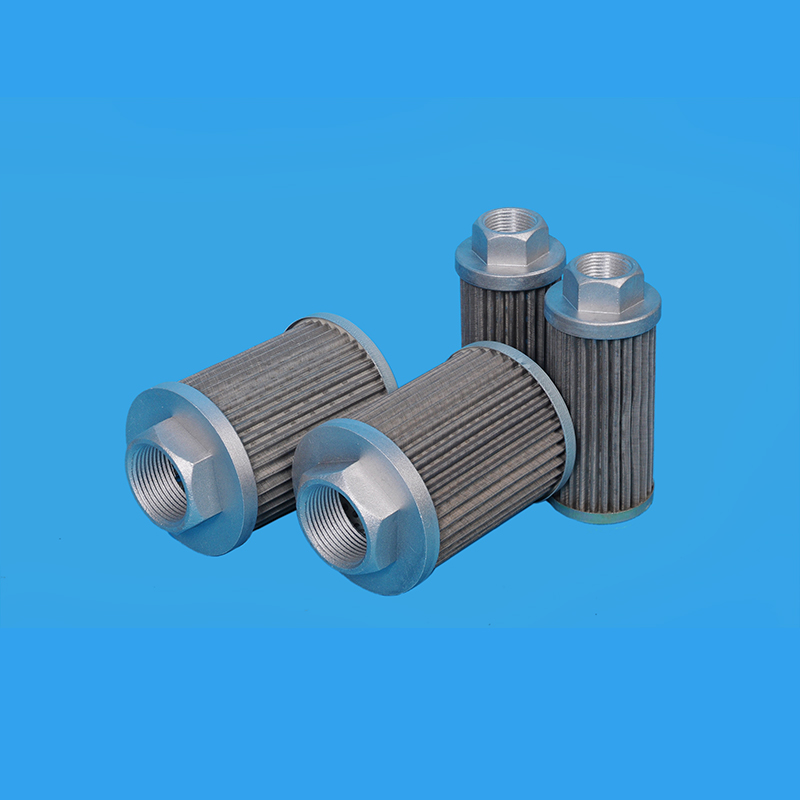
Specifying a porosity level is not as simple as defaulting to the smallest available pore size. Over-sizing the pores allows abrasive contaminants to aggressively chew through downstream components like servo valves and reactor seals. On the flip side, under-sizing creates severe operational bottlenecks that cripple production output.
In fluid dynamics, engineers face a constant tug-of-war between filtration efficiency and pressure drop. Pressure drop refers to the measurable decrease in fluid pressure as it forcefully pushes through the restrictive media.
If you select a rating that is excessively fine, such as deploying a 1-micron element when a 10-micron unit would easily suffice, the fluid encounters massive physical resistance. This resistance triggers a rapid, severe pressure drop. To compensate for the stifled flow, system pumps or compressors must work significantly harder. Ultimately, this spikes energy consumption and accelerates mechanical wear and tear on your pumping infrastructure.
Matching the correct rating to your specific particulate load maximizes the dirt-holding capacity. This capacity refers to the sheer volume of sludge, scale, or debris a filter can swallow before the pressure drop becomes unacceptably high. Once that threshold is crossed, an alarm triggers a cleaning cycle.
While porous metal elements are inherently reusable, a micron rating that is too tight for the application will cause the surface pores to blind over almost immediately. Maintenance teams are then forced to halt production for frequent backwashing, ultrasonic cleaning, or aggressive chemical soaking. By aligning the pore size precisely with the target contaminant profile, facilities drastically extend run times between maintenance intervals. This directly boosts overall equipment effectiveness.
Selecting the optimal specification requires a systematic evaluation of your unique operating environment. Technical buyers should utilize the following decision matrix to avoid costly procurement mistakes.
The most foundational step involves analyzing the actual particulate you intend to capture. You must map out the particle size distribution, known as PSD, of your fluid stream. Additionally, the physical state of the contaminant heavily influences the decision.
Hard, solid particulates like silica sand or metal shavings are easily trapped by standard surface pores. Deformable contaminants, such as biological gels, waxes, or polymers, behave erratically. Under high differential pressure, deformable gels can extrude right through pores that are technically smaller than their resting diameter. When dealing with soft contaminants, a tighter absolute rating combined with a deep, tortuous-path structure is mandatory.
Viscosity measures a fluid's inherent resistance to flow. Sluggish, thick fluids such as heavy lubricating oils, syrups, or molten polymers demand entirely different considerations compared to thin liquids like water or gases like nitrogen.
Highly viscous fluids naturally generate a higher baseline pressure drop. Applying an ultra-fine rating to a thick syrup will likely stall the flow completely. For high-viscosity scenarios, engineers must either specify a larger pore size, elevate the operating temperature to artificially thin the fluid, or drastically expand the physical surface area of the filter housing to maintain throughput.
Pore dimensions directly throttle the volume of fluid passing through the media per minute. Smaller micron ratings tightly restrict the flow path. If your process relies on a massive, continuous flow rate, you must balance the micron rating against the physical footprint of the element. For systems demanding both fine filtration and high flow, upgrading to larger housings that accommodate multiple or pleated elements is the standard engineering workaround.
Extreme thermal and pressure conditions alter the behavior of both the process fluid and the metallic media. Elevated temperatures decrease fluid viscosity, occasionally allowing the use of a finer rating than room-temperature testing would suggest. Furthermore, high-pressure pulsating systems require incredibly robust structures. If the pressure drop across a fine-micron element becomes too extreme, it threatens the mechanical yield strength of the metal itself.
Evaluate the element's distinct role within the broader process architecture. Is it functioning as a sacrificial pre-filter designed to catch massive debris and shield expensive, finer filters downstream? If so, a larger nominal rating like 40 to 100 microns is perfectly appropriate. Conversely, if it serves as the final polishing barrier to ensure the absolute purity of a pharmaceutical injectable, an ultra-fine absolute rating like 0.2 to 2 microns is non-negotiable.
The metallurgical manufacturing method directly dictates the achievable pore sizes and the overarching filtration mechanism at play. Buyers must carefully choose between sintered powder and sintered mesh based on whether their system requires deep-wall trapping or surface-level caking.
Manufacturers produce these elements by pressing fine metallic powders into a mold and heating them in a controlled vacuum atmosphere. This bonds the particles without melting them into a solid block, creating a thick, sponge-like matrix.
This internal maze provides exceptional depth filtration. Contaminants do not just sit on the exterior; they are trapped deep within the walls of the metal. Because the initial powder size can be strictly controlled, manufacturers achieve a highly reliable micron range. For instance, high-quality sintered metal filters typically span from 0.2 microns up to 100 microns. For environments burdened with heavy particulate loads, powder-based media offer unmatched dirt-holding capacity and prolonged operational cycles.
Diverging from the powder method, mesh filters are constructed by calendering multiple sheets of woven wire cloth and sintering them together under intense heat and pressure. This fuses the intersecting wires permanently, yielding a highly rigid, uniform screen.
Mesh structures operate primarily on the principle of surface filtration. Debris larger than the micron rating builds up on the upstream face, forming a dense filter cake that is easily blasted off during a reverse-flow backwash. Because the wire strands are mechanically woven to exact geometric tolerances, this style is the undisputed champion for precision filtration. They excel in absolute-rated applications, offering micron availabilities ranging from 1 micron up to 300 microns, paired with exceptional resistance to tearing under high differential pressures.
The choice of base alloy does more than establish chemical compatibility. It fundamentally interacts with the manufacturing process, subtly shifting the consistency and availability of specific porosities.
316L Stainless Steel: This remains the bedrock of the industrial filtration sector. Its low carbon content prevents carbide precipitation during the high-temperature sintering phase. More importantly, stainless steel exhibits highly predictable shrinkage during manufacturing. This predictability allows engineers to tightly control the void spaces, reliably producing exact absolute ratings from sub-micron levels to coarse macro-filtration.
Titanium: Reserved for severely aggressive environments involving wet chlorine, halogens, or highly oxidizing acids. While it boasts an incredible strength-to-weight ratio, titanium powder requires highly specialized vacuum sintering. Achieving ultra-fine absolute ratings below 0.5 microns with titanium is metallurgically complex. Therefore, it is most frequently utilized in the 1 to 50-micron range for critical chemical processing.
Bronze: Utilizing spherical bronze powders allows for excellent flow characteristics and highly uniform pore distribution. Sintered bronze is highly cost-effective and dominates the pneumatics industry for gas diffusion and exhaust muffling. Due to the spherical particle geometry, bronze is typically manufactured with nominal ratings ranging from 10 to 100 microns, rather than ultra-fine liquid polishing grades.
Looking at broader industrial movements, the criteria for selecting pore sizes are rapidly evolving. Stringent environmental regulations and the push for higher product purity are forcing facilities to rethink their filtration strategies.
Historically, many plants relied on disposable polymeric filters with nominal ratings for bulk processing. Today, there is a massive shift toward sustainable, cleanable metallic media. Engineers are increasingly specifying absolute micron-rated filters to guarantee zero bypass of harmful particulates. This transition is especially evident in the green energy sector. For example, hydrogen proton exchange membrane electrolysis requires ultra-pure water to prevent degradation of sensitive cell stacks. To protect these expensive assets, system designers are standardizing on incredibly tight 1 to 3-micron absolute ratings. This demands higher precision and performance from sintered media than ever before.
Selecting the correct specification is rarely a universal endeavor. Different B2B sectors operate under distinct regulatory standards and face unique physical challenges. Below is an objective analysis of how specific industries baseline their ideal pore sizes based on empirical field data.
In harsh refining environments, these elements are frequently deployed for catalyst recovery. Precious heavy metal catalysts, like palladium on carbon, are incredibly expensive and must be captured from fluid streams before the final product is refined. Because these catalyst fines are small but solid, engineers typically specify absolute ratings between 5 and 25 microns. A larger rating bleeds expensive catalyst into the final product, while a finer rating causes rapid pressure spikes due to the high viscosity of petrochemical slurries.
Sanitary applications demand the highest tier of precision. In pharmaceutical manufacturing or sterile beverage bottling, systems utilize porous metals for steam purification and sterile gas sparging. To successfully block bacteria and ensure absolute sterility, these industries legally require ultra-fine ratings, usually hovering between 0.2 and 2 microns. Culinary steam filtration, which prevents boiler rust from contaminating food, typically mandates a 2-micron to 5-micron rating to ensure consumer safety without choking the steam lines.
Aviation and heavy industrial hydraulics rely heavily on fluid power to actuate critical machinery. Hydraulic fluids must be kept exceptionally clean. Even microscopic debris can cause sensitive servo valves to jam, leading to catastrophic equipment failure. To protect these tight-tolerance components, hydraulic polishing loops typically utilize ratings between 3 and 10 microns. Sintered mesh is highly preferred here because it handles intense pressure pulsations without shedding its own media into the clean oil stream.
Transitioning from engineering theory to procurement reality requires a systematic approach. When engaging with manufacturers, asking the right technical questions ensures the selected media will deliver a high return on investment. Use this evaluation checklist during your vendor selection process.
Standard off-the-shelf ratings like 10 or 40 microns rarely align perfectly with complex fluid viscosities. Verify if the manufacturer possesses the metallurgical expertise to adjust pressing pressures and sintering temperatures. They should be capable of engineering a custom porosity tailored to your exact pressure drop limitations.
Never accept an absolute rating on blind faith. A reputable supplier must provide documentation of Bubble Point Testing under ISO 2942 or ISO 4003 standards. This mathematical test measures the pressure required to force a gas bubble through a liquid-wetted element, objectively verifying the maximum pore size of the finished product.
If your application demands a very fine rating but you are constrained by a small physical housing, inquire about pleated sintered mesh. Pleating the metal significantly expands the active filtration surface area within the exact same footprint. While pleated elements carry a higher initial cost, the expanded area lowers fluid velocity, reduces pressure drop, and drastically extends the time between cleaning cycles.
Finer ratings naturally trap particles deeper within the porous matrix, making them inherently more difficult to clean. Ensure the supplier provides empirical data detailing backwashing pressures, ultrasonic cleaning bath frequencies, and chemical solvent compatibilities specific to the exact micron rating and alloy you are purchasing.
Choosing the right sintered metal filter micron rating is a delicate balancing act. It requires weighing the necessity of capturing microscopic contaminants against the critical need to maintain proper system flow and minimize pressure drop. Selecting the wrong pore size quickly inflates energy consumption and drives up maintenance labor costs.
Always rigorously evaluate your fluid's viscosity, the nature of the particulate, and your operating temperatures before issuing a purchase order. By consulting directly with technical engineers and utilizing verifiable testing data, you can pinpoint the precise specifications required to protect your downstream equipment and optimize your entire production process. Ready to upgrade your filtration system? Explore the high-performance solutions at Berae to find the exact absolute or nominal rating tailored to your industrial demands.
There is no single standard rating across all industries, as operational requirements vary drastically. Porous metallic media can be manufactured in ranges from as fine as 0.1 microns to well over 200 microns. However, in general manufacturing, petrochemical refining, and heavy water treatment, ratings of 2, 5, 10, and 40 microns are highly prevalent. The standard for your specific project must be calculated based on your target contaminant size and acceptable pressure drop limits.
Yes, you can substitute a finer element, but it is rarely advisable without first evaluating the system-wide impact. A 5-micron element will capture smaller particles and yield cleaner effluent, but it presents a much higher physical resistance to fluid flow. This results in faster accumulation of the filter cake and a rapid pressure drop. Consequently, your pumps will draw more amperage, and the element will require more frequent cleaning. You should only downgrade to a finer rating if downstream equipment strictly requires enhanced protection.
One of the primary financial benefits of sintered metal is its extreme reusability. Cleaning methods depend entirely on the specified micron rating and the physical nature of the trapped contaminant. Common methods include reverse-flow backwashing, where clean fluid is forced backward to dislodge the surface cake. Ultrasonic cleaning is another option, using high-frequency sound waves in a solvent bath to shake out deeply embedded particles. Chemical soaking is also used to dissolve organic matter. Finer ratings, particularly in thick depth filters, generally demand rigorous, multi-step processes like ultrasonic baths to fully restore their original permeability.
The core difference lies in the physical geometry and the resulting surface area. Standard elements are typically smooth, cylindrical tubes or flat discs. While highly durable, they have a limited surface area dictated by their outer diameter and length. Pleated metal filters utilize layers of sintered wire mesh folded into an accordion-like shape before being welded into a cylinder. This pleating process can multiply the available filtration surface area by up to three times within the same housing space. This is exceptionally beneficial when utilizing very fine micron ratings, as the massive surface area helps maintain high flow rates and delays the onset of blinding.
The most reliable and universally accepted method is the Bubble Point Test, conducted according to ISO 2942 standards. During this test, the filter element is completely submerged in a specific test liquid. Air pressure is then gradually introduced inside the filter. The exact pressure at which the first continuous stream of bubbles appears on the exterior surface is recorded. Because pressure and pore diameter have an inverse mathematical relationship, this reading accurately calculates the largest pore size, verifying the absolute micron rating.
Pressure drop, often denoted as Delta P, is the difference in fluid pressure between the inlet and outlet of the filter housing. It occurs because the filter media physically restricts fluid flow. The exact pressure drop depends on several variables: the micron rating, the fluid's viscosity, the flow rate, and the total surface area of the filter. Finer micron ratings naturally create a higher clean pressure drop. As contaminants build up and block the pores during normal operation, this pressure drop will steadily increase until the filter requires cleaning.


