


Views: 0 Author: Site Editor Publish Time: 2026-10-16 Origin: Site


Are your industrial filtration systems gradually losing efficiency? Over time, contaminants inevitably clog microscopic pores. This chokes your system's performance and drives up energy costs. While it might be tempting to use harsh scrubbing techniques to clear the blockage, doing so ruins these expensive components instantly. Employing proper maintenance methods can restore flow safely and effectively. In this comprehensive guide, you will learn exactly how to approach the maintenance of these critical assets without compromising their structural integrity.
Proper maintenance extends the operational lifespan of metallic filtration media, maximizing return on investment and minimizing unexpected system downtime.
Routine reverse flushing serves as the primary defense against surface clogging, while ultrasonic and chemical processes handle deep pore regeneration.
Protocols must be precisely tailored to the metallurgy. Stainless steel and bronze require vastly different chemical agents to prevent severe corrosion.
Mechanical scraping, wire brushing, or abrasive blasting will permanently smear the metal and destroy the delicate pore structure.
Tracking differential pressure helps determine exactly when to regenerate and when to replace your industrial components.
From an engineering perspective on the plant floor, I have noticed a massive shift in fluid processing. Global process industries face stricter environmental regulations and soaring raw material costs. Consequently, plant managers are rapidly abandoning disposable cartridges. They are upgrading to high-performance metallic media to achieve zero-waste production goals. Maximizing the lifecycle of these high-value assets is no longer just good practice. It is a critical commercial strategy.
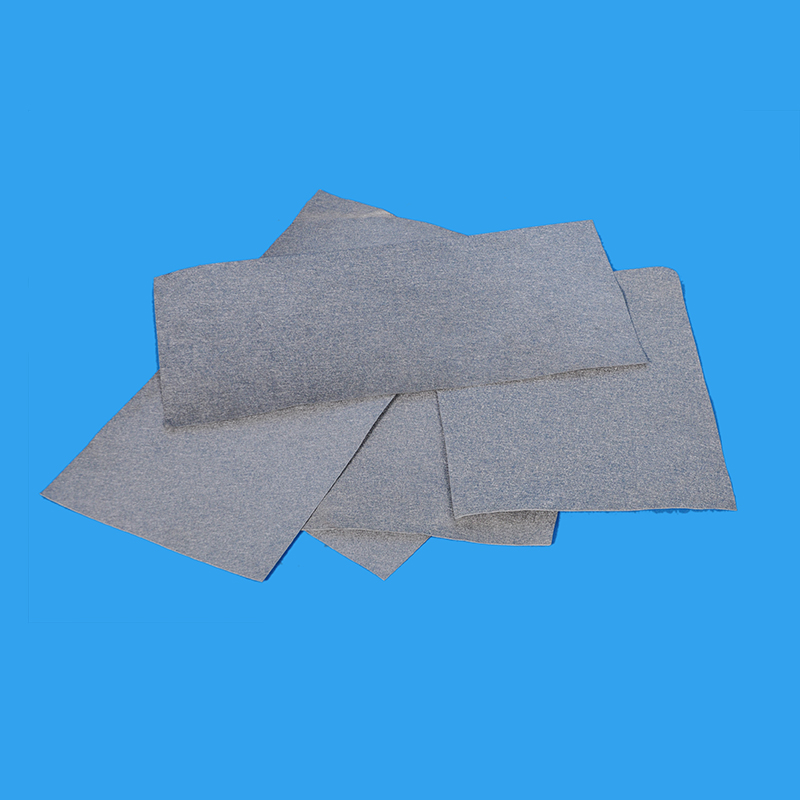
To properly maintain these systems, you must first understand their unique structural characteristics. Manufacturers engineer these components by pressing metal powders or fibers into specific shapes. They then heat them in a controlled atmosphere furnace. This thermal process is known as sintering. It fuses the particles at their contact points without reaching the melting point of the base metal. The result is a rigid and highly porous matrix.
The internal geometry forms a labyrinth-like path that excels at trapping microscopic contaminants through depth filtration. Standard 316L stainless steel fiber felt often achieves a high porosity ranging from 50 to 90 percent. This specific structure delivers exceptional dirt-holding capacity while maintaining absolute filtration ratings from 1 to 300 microns. Because the metal particles are metallurgically bonded, the structure boasts exceptional mechanical strength. It easily withstands high differential pressures and extreme thermal shocks up to 1000 degrees Celsius in certain alloys.
However, this mechanical strength is directional. The internal pores resist massive fluid pressure, but the localized metal bridges at the surface remain vulnerable to physical abrasion. If a hard object scrapes against the exterior, the soft metal smears over the microscopic openings. This seals them shut permanently. This delicate balance makes these components high-value reusable filter elements. Their true economic value emerges through multiple cycles of precise regeneration.
Operating a filtration system beyond its optimal capacity decreases efficiency. It can also cause mechanical failure or fluid bypass. Imagine a high-viscosity polymer line where the pump suddenly works overtime. This is a classic symptom of pore bridging. Identifying the exact moment to initiate maintenance requires monitoring specific system metrics.
Pressure Drop or Delta P
The most reliable indicator of clogging is the differential pressure. This metric represents the measurable difference in fluid pressure between the upstream inlet and downstream outlet. As contaminants accumulate across the pores, the fluid encounters greater resistance. The upstream pressure rises accordingly. Industrial best practices dictate establishing a baseline clean pressure drop. You should set a strict upper threshold, such as a 10 to 15 PSI increase, to trigger a mandatory maintenance cycle.
Reduced Flow Rate
In systems maintaining constant pressure, a clogged matrix manifests as a noticeable reduction in flow rate. Volumetric flow meters might indicate a steady decline in output despite constant pump performance. When this happens, the microscopic pathways within the metal matrix are likely obstructed.
Visual Inspection
You cannot inspect the internal depth of the pores without destructive cross-sectioning. Still, the exterior surface often provides clear cues. A thick and hardened surface cake or localized discoloration indicates that intervention is overdue.
To successfully restore permeability without compromising the micron rating, operators must rely on fluid dynamics, cavitation, and chemistry. Physical force will only cause damage. Below are the scientifically proven methods for industrial regeneration.
Cleaning Method | Target Contaminant | Execution Strategy | Risk Level |
|---|---|---|---|
Reverse Flush | Loose surface cake, large particulates | Reverse fluid flow at controlled pressure | Very Low |
Ultrasonic Bath | Deeply embedded sub-micron particles | Submerge in alkaline solution at 20-40 kHz | Low |
Chemical Soak | Mineral scale, biological fouling, grease | Use specific acids or bases based on foulant | Medium |
Thermal Burn-Off | Heavy polymers, complex organics | Heat in oxygen-controlled furnace at 400°C | High |
Backwashing stands as the safest fundamental method for routine maintenance. The process involves temporarily reversing the flow of a clean fluid or gas through the element. By pushing fluid from the downstream side to the upstream side, the reversed pressure dislodges the accumulated surface cake. It pushes trapped particles out of the outer pores.
This technique relies entirely on fluid pressure distributed evenly across the matrix. Therefore, it poses zero risk of mechanical abrasion. For continuous industrial operations, integrating automated backwash filters allows the system to self-clean without halting production. These smart systems use differential pressure sensors to trigger a reverse flush cycle the moment the pressure reaches a critical threshold.
When contaminants become deeply embedded within the tortuous paths, standard flushing proves insufficient. Ultrasonic treatment serves as the industry standard for deep and non-destructive regeneration. Technicians submerge the element in a specialized liquid bath. An ultrasonic generator introduces high-frequency sound waves, typically between 20 kHz and 40 kHz. Suspending the element in a mild alkaline solution for 30 minutes often yields remarkable results.
These sound waves create alternating high and low-pressure cycles. Microscopic vacuum bubbles form and rapidly collapse. This cavitation phenomenon generates highly localized shockwaves. As the bubbles implode deep inside the pores, they gently pull organic matter and scale away from the metal walls. They do this without crushing the delicate openings.
Chemical regeneration dissolves the contaminants that physical or ultrasonic means cannot dislodge. The choice of chemical depends entirely on the foulant. Mild acidic solutions like 10 percent nitric acid effectively dissolve calcium and mineral deposits. Conversely, caustic solutions like sodium hydroxide saponify and break down greases and polymers.
Chemical processing requires strict environmental controls. Prolonged exposure to aggressive chemicals degrades the base metal. Following the soak, the element must undergo extensive neutralization and ultrasonic rinsing in deionized water. Residual acid left inside the microscopic pores causes localized pitting once the unit returns to service.
Establishing a successful protocol requires facility managers to account for specific metallurgy. Applying a universal approach across all materials is a critical error that leads to rapid equipment degradation.
Stainless Steel Alloys
Stainless steel grades like 316L and 304 are the industry standard for high-performance applications. They offer exceptional mechanical strength and broad chemical compatibility. These alloys withstand highly aggressive regimens. They safely tolerate nitric acid, phosphoric acid, and caustic soda. Specifically, stainless steel excels in thermal regeneration. It endures furnace temperatures up to 400 degrees Celsius without altering the metal temper.
Bronze and Copper Matrices
Bronze components offer excellent thermal conductivity. They are cost-effective for pneumatic and low-corrosion fluid applications. However, bronze is significantly softer and more chemically reactive than stainless steel. You must exercise extreme caution when selecting agents. Strong acids aggressively attack the copper matrix. This leads to dezincification or complete dissolution of the pore structure. Avoid ammonia-based solvents entirely, as they cause stress corrosion cracking. Rely on neutral solvents and gentle ultrasonic baths instead.
Despite impressive pressure ratings, these intricate matrices remain highly vulnerable to localized mechanical stress. Industrial facilities frequently lose thousands of dollars in ruined equipment due to basic maintenance errors.
Mechanical Scrubbing
The most destructive mistake in filter cleaning is using wire brushes or rigid metal scrapers to remove surface caking. The material is essentially a matrix of fused powders. Mechanical abrasion causes plastic deformation at the surface level. The soft metal smears across the openings and physically seals the pores shut. Once blinded by mechanical scrubbing, you cannot restore permeability.
High-Pressure Washing
Concentrated high-pressure water jets from commercial pressure washers exceeding 1000 PSI are highly detrimental. If a technician holds the nozzle too close, the concentrated force dents the cylindrical structure. It compromises longitudinal welds and drives trapped particulate matter deeper into the labyrinth of pores.
The true economic value of these components lies in their longevity. This depends entirely on a proactive and data-driven maintenance schedule. Waiting until a complete blockage occurs increases the risk of permanent pore bridging.
The first line of defense is continuous monitoring of the differential pressure. A gradual increase is normal. Rapid spikes indicate severe surface caking. You should employ automated reverse flushing daily or weekly to dislodge surface cakes. Monitor for baseline pressure creep.
Depending on the viscosity of the process fluid, monthly interventions may be necessary. Technicians should look for uneven caking that indicates flow channeling. A light chemical soak in a compatible detergent dissolves organic films that standard flushing leaves behind. Once a year, deep regeneration is required. This offline process pulls deeply embedded sub-micron particles out of the tortuous structure. It restores the matrix to roughly 95 percent of its original factory flow capacity.
Even with rigorous maintenance, industrial assets have a finite lifespan. The continuous cycle of trapping contaminants and undergoing intensive regeneration eventually takes a toll on the metallurgical structure. Knowing exactly when to retire a component maintains process efficiency.
The 80 Percent Rule of Permeability Recovery
The most objective metric for determining viability is pressure drop recovery. After a comprehensive deep regeneration cycle, the element should return close to its baseline pressure. Industry standards dictate the 80 percent rule. If a thorough cycle cannot restore at least 80 percent of its original flow capacity, the internal matrix is permanently compromised. Continuing to use it results in excessive energy consumption by pumps.
Cost-Benefit Analysis and Upgrading
The decision to replace hinges on operational economics. Deep regeneration processes incur labor and chemical costs. When the cumulative cost of repeated intensive cycles exceeds the capital expenditure of new equipment, replacement is the only logical business decision. If a system requires deep regeneration monthly rather than annually, your current media lacks sufficient dirt-holding capacity.
Proper maintenance protects your industrial equipment and significantly extends its operational lifespan. By relying on proven fluid dynamics and correct chemistry rather than brute mechanical force, facilities ensure their systems operate at peak efficiency. This data-driven approach guarantees your investment delivers reliable service year after year. If your current setup struggles with rapid clogging or resists standard regeneration, it is time to upgrade. Explore high-capacity sintered metal filters and automated solutions at Berae to keep your operations running flawlessly.
Depending on the operating environment and the rigor of the methods used, high-quality metallic media can typically be regenerated between 10 to 50 times. Applications involving light particulate loads in clean fluids will see the higher end of this spectrum. Conversely, elements exposed to heavy sticky polymers may require replacement much sooner. Tracking the pressure drop recovery after each cycle determines the remaining lifespan.
Using direct high-pressure water jets is strongly discouraged by industry professionals. Commercial washers can easily exceed the structural yield strength of the porous metal. This causes localized dents or microscopic fractures. Furthermore, blasting water directly at the surface wedges trapped particulate matter deeper into the internal structure. Reverse flushing at controlled moderate pressures remains the safest alternative.
Pore damage is generally invisible to the naked eye but becomes apparent through system performance data. If you subject the element to a deep regeneration process but the differential pressure remains abnormally high upon reinstallation, the pores are likely crushed. Additionally, if downstream fluid analysis reveals that particles larger than the designated micron rating are passing through, the structure is compromised and must be discarded immediately.
In well-maintained systems with non-corrosive fluids, these components can last anywhere from 3 to 10 years. Their lifespan depends heavily on the frequency of cleaning cycles and the aggressiveness of the process fluid. Establishing a strict baseline pressure monitoring system ensures you maximize this operational window without risking downstream contamination.
For standard organic fouling, a 10 to 20 percent sodium hydroxide solution heated to 60 degrees Celsius works exceptionally well in an ultrasonic bath. For mineral scaling, a 15 percent nitric acid solution effectively dissolves deposits without pitting the 316L stainless steel matrix. Always follow chemical treatments with a thorough deionized water rinse.


