


Views: 0 Author: Site Editor Publish Time: 2026-05-11 Origin: Site


Standard filtration media inevitably fail in extreme operating environments. Paper and polymer options break down incredibly fast. They buckle under high system pressures. They dissolve completely in highly corrosive chemical streams. Engineers face constant challenges regarding fluid clarification. Gas separation processes also require immense precision. Traditional filters cause frequent operational downtime. They force you to halt production. You must stop machinery for manual media replacements. We need stronger, more resilient filtration materials.
A sintered metal filter solves these engineering problems perfectly. It acts as the absolute industry standard. It bridges the gap between rigorous filtration parameters and harsh realities. Sintered metals eliminate constant maintenance headaches. They offer unparalleled washability. They provide extreme temperature resistance. You gain total control over process product purity.
This guide moves past basic component definitions. We provide a complete technical framework here. You will learn how to evaluate various options. We help you specify the exact media parameters. You can implement the right porous metal filter for your facility. You will understand morphology, micron ratings, and material chemistry. You can confidently select the perfect metallic filtration solution today.
Sintered metal filters utilize powder metallurgy to create rigid, highly permeable structures with precise pore sizes.
They are categorized primarily by material grade (e.g., 316L stainless steel) and morphology (cartridges vs. discs).
Selection dictates balancing micron rating, pressure drop, and chemical compatibility.
We must first explore powder metallurgy to understand this technology. Manufacturers press fine metal powders into specific mold shapes. They apply immense mechanical pressure during this stage. Then, they heat these molds inside a controlled atmospheric furnace. The heating temperature stays strictly below the metal liquefaction point. The individual metal particles fuse at their contact points. We call this critical thermal process sintering. It creates a rigid, robust structure. It features interconnected, highly uniform internal pores.
You must differentiate between surface filtration and depth filtration. Surface filters trap particles purely on top of the media. Standard paper elements utilize surface filtration. Depth filters trap contaminants deep inside the media matrix. Sintered metals rely heavily on depth filtration mechanics. The internal pathways twist and turn randomly. Engineers call this a tortuous path. The tortuous path captures tiny particulates effectively. The structure remains incredibly strong under flow stress. It resists tearing, stretching, and physical deformation.
These specialized components solve massive business problems. They prevent catastrophic industrial equipment failures. Contaminants easily destroy sensitive pumps and precision valves. Sintered media protect these expensive upstream assets. They ensure strict chemical product purity. You get consistent product quality across every batch. Finally, they eliminate frequent operational downtime. Disposable filters require constant changing and manual labor. Sintered options stay online far longer. They handle aggressive processing conditions effortlessly.
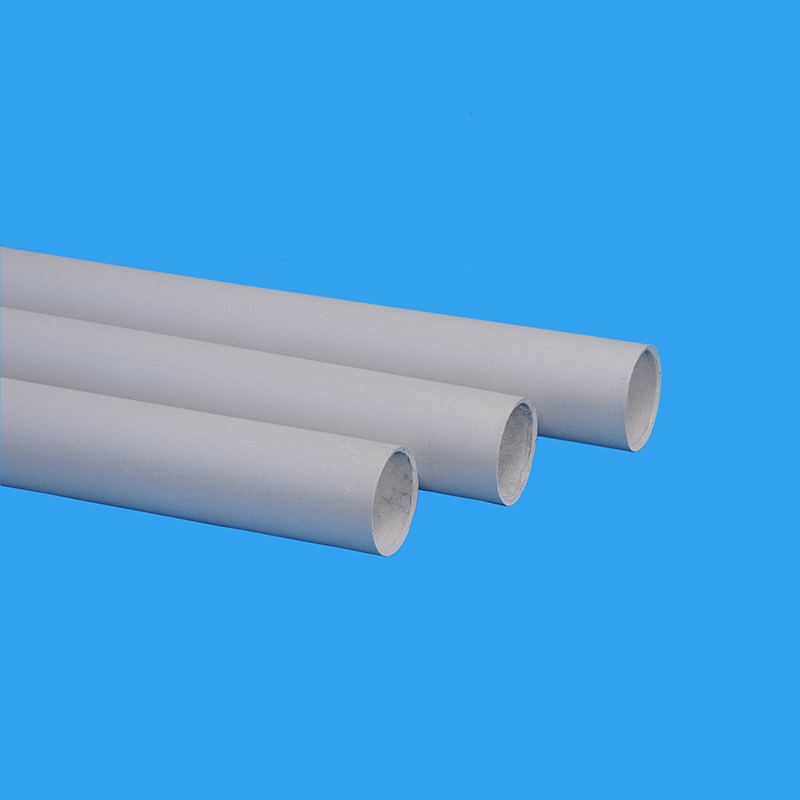
A sintered metal filter cartridge handles high industrial capacities. You typically use them for large liquid streams. They also excel in heavy gas processing applications. Cartridges provide a massive internal surface area. Engineers specify exact end-cap fittings for proper sealing. Double Open End (DOE) fittings are very common. Single Open End (SOE) fittings offer better leak prevention. You choose the fitting based on your housing design.
Filter discs serve entirely different engineering functions. We frequently use them for gas sparging. They inject fine gas bubbles into liquid tanks. Chromatography frits rely on incredibly small sintered discs. We also utilize custom shapes for targeted gas distribution. Fluidized beds use these custom flat panels. They fit directly into specialized OEM machinery. You match the morphology to your precise flow geometry.
The stainless steel sintered filter dominates the industrial market. We typically utilize the 316L stainless steel grade. It offers excellent baseline corrosion resistance. It withstands standard cleaning chemicals perfectly. 316L balances procurement cost and mechanical performance effectively. Most standard water and chemical applications use 316L.
Sometimes, standard stainless steel is simply not enough. You might require specialized exotic metal alloys. Hastelloy resists severe chloride attacks perfectly. Inconel survives extreme radiant heat environments. Monel works exceptionally well in hydrofluoric acid streams. You must upgrade to these exotic materials carefully. They serve hyper-aggressive environments where standard metals dissolve. They protect your process from rapid material degradation.
How do we specify an industrial metal filter correctly? You must analyze several intersecting physical variables. A minor miscalculation causes severe system bottlenecks.
You must understand micron ratings and efficiency trade-offs. A nominal rating signifies the average media pore size. An absolute rating defines the absolute largest pore size. Absolute ratings guarantee strict particle retention. You use absolute ratings for critical medical or aerospace fluids. However, finer filtration directly increases the system pressure drop. We call this resistance Delta P. You must balance desired efficiency against acceptable flow restriction.
Thermal constraints dictate your material choices heavily. You often need a high temperature metal filter for exhaust processing. Standard 316L stainless steel handles continuous 400°C environments. Exotic alloys push this thermal limit significantly higher. You must evaluate your peak operating temperatures accurately.
Material Grade | Continuous Temperature Limit | Primary Industrial Use Case |
|---|---|---|
316L Stainless Steel | 400°C - 450°C | General water, standard solvents, light chemicals |
Hastelloy C-276 | 400°C | Severe chlorides, strong acids, localized pitting resistance |
Inconel 600 | 600°C - 800°C+ | Extreme high-heat gas separation, aerospace exhausts |
Flow dynamics directly dictate your physical sizing requirements. You must calculate the required surface area carefully. Flow rate and fluid viscosity act as key inputs. Thicker fluids require substantially more surface area. You also define an acceptable initial pressure drop parameter. Never ignore the media mechanical strength limits. Burst pressure refers to inside-out fluid flow. Collapse pressure refers to outside-in fluid flow. You must stay safely below these mechanical thresholds.
Chemical compatibility remains a vital evaluation step. You must match the metal to your primary fluid. However, you cannot forget your secondary cleaning solvents. The filter must survive the daily cleaning process. Nitric acid baths destroy incompatible metals quickly. Check chemical resistance charts for every exposed chemical.
You must weigh the engineering advantages against the practical limitations. Porous metals provide incredible industrial capabilities. However, they are not universal solutions for every facility.
Consider these primary performance advantages:
High mechanical strength: They withstand immense system pressures easily. They do not compress or deform under load.
Thermal shock resistance: Sudden temperature changes will not crack them. They handle rapid heating cycles perfectly.
Strict pore size uniformity: You get reliable, repeatable filtration results. The pore structure remains permanently fixed.
Zero media migration: Polymeric filters sometimes shed fibers downstream. Sintered metals never release internal material into your fluid.
You must also apply a skeptical lens to the operational limitations:
Heavier system weight: Solid metal components weigh much more than polymers. This makes handling larger multi-cartridge housings physically difficult.
Irreversible plugging risks: Miscalculated sizing drives particles deep inside the matrix. If deep embedding happens, cleaning becomes virtually impossible.
High initial capital expenditure: You pay a steep premium for complex powder metallurgy. Standard paper filters cost significantly less upfront.
Best Practice: Never oversize your micron rating hoping for faster flow. You will drive small contaminants too deep into the pores. Always size the micron rating appropriately for your target particulate.
Proper maintenance ensures your investment survives for years. You must establish rigorous cleaning protocols immediately.
In-situ cleaning techniques allow maintenance without system removal. You clean the media while it remains inside the housing. Backwashing works exceptionally well for liquid streams. You simply reverse the fluid flow momentarily. This reverse pressure dislodges the accumulated filter cake. Blowdown or back-pulsing works best for gas streams. You inject quick, violent bursts of compressed gas. The sudden pressure knocks particulates off the outer surface. You restore optimal flow without halting your production line.
Sometimes, in-situ cleaning methods eventually fail. Heavily fouled filters require deep ex-situ recovery methods. You must remove the element from the housing completely. Ultrasonic baths work incredibly well for deep particulate removal. High-frequency sound waves cavitate the cleaning fluid. This cavitation pulls dirt from deep internal pores. Chemical soaking dissolves tough biological or organic matter. High-temperature burnout destroys carbon-based foulants completely. You bake the metal element in a specialized industrial oven. This turns organic matter into loose ash.
Risk mitigation requires proactive system monitoring. You must track the differential pressure continuously. Establish a clean baseline when you install a new element. Set a strict trigger point for maintenance actions. Clean the media before irreversible particulate embedding occurs. Waiting too long ruins the internal metal structure. Install automated pressure transmitters to warn your operators early.
You now possess a technical framework for evaluating sintered media. Standard disposable filters cannot survive extreme industrial conditions. Upgrading to robust metal solutions prevents catastrophic system failures.
Follow this logical shortlisting path:
Define your primary process fluid and cleaning chemicals exactly.
Calculate your maximum flow rates and acceptable pressure limits.
Select the best alloy material using a chemical compatibility chart.
Determine the right physical morphology and housing connection type.
We highly recommend running a pilot test first. Buy a single small cartridge or test disc. Test it directly in your actual process line. Validate the pressure drop data empirically. Confirm your in-situ cleaning protocols actually work. Do this testing before making a full-scale facility upgrade.
Consult with an application engineer today. Bring your specific flow rates and temperature data. Share your exact fluid chemical composition. Request a custom sizing assessment to guarantee proper implementation.
A: They can last from several years to over a decade. The lifespan depends heavily on your specific cleaning regimen. You must avoid absolute plugging by monitoring pressure drops closely. Proper routine maintenance ensures exceptional longevity.
A: Yes, they are highly reusable. Their primary value proposition is washability. You can recover their initial performance through regular in-situ backwashing. You can also use ex-situ ultrasonic cleaning methods for removing heavy industrial fouling.
A: They typically operate around 400°C to 450°C in standard oxidizing atmospheres. They can handle slightly higher temperatures in reducing atmospheres. If your specific process exceeds these thermal limits, you should upgrade to Inconel.
A: You determine this by monitoring the differential pressure. You measure the pressure directly across the filter housing. A predetermined spike in this differential pressure indicates severe fouling. You must clean it before particles embed permanently.


